Why a small metal cap might be the real reason there is a puddle of antifreeze under your car.
When you spot a puddle of bright green, pink, or orange fluid under your car, your first thought is usually a radiator hose, water pump, or radiator leak. But there’s another overlooked culprit that can lead to a much bigger repair: the freeze plug.
Freeze plugs are small, inexpensive parts, but when they fail, they can cause significant coolant loss and engine overheating. If you can’t track down a mystery coolant leak, a bad freeze plug may be hiding under the hood.
What is a Freeze Plug?
A freeze plug is a small, disc-shaped metal plug that fits into openings in an engine block. These are also commonly called “core plugs” or “expansion plugs.”
So, why are they there?
To understand their purpose, it helps to look at how an engine is manufactured. During the casting process, the engine block is formed by pouring molten metal into a sand mold. Inside that mold are sand cores, which create the internal passages where coolant will later flow around the cylinders.
Once the metal has cooled and solidified, the sand cores are removed from the inside of the engine block. The openings used to access and remove that sand are then sealed with freeze plugs. Their primary purpose is simply to seal these casting holes and complete the engine’s internal coolant passages.
Why is it Called a "Freeze" Plug?
When temperatures drop, any coolant that’s mostly water can freeze inside the engine block. As water freezes, it expands, and that expansion creates a serious amount of internal pressure.
If that pressure builds high enough, it can crack the engine block and cause severe, often irreparable damage.
In some cases, that pressure may force a freeze plug out of its opening. But it’s important to know this is not their job or a designed safety feature. Freeze plugs are simply there to seal openings left from the engine casting process.
The real protection against freezing damage isn’t the freeze plugs; it’s the proper mix of coolant and antifreeze. Keeping your cooling system maintained is what actually helps prevent expensive winter (or cold snap) engine failures.
Why Do Freeze Plugs Fail When It's Hot?
Despite the name, freeze plugs don’t only become an issue in cold conditions. In hot climates like Phoenix, they can fail due to long-term stress on the cooling system, not heat alone.
As an engine operates in high temperatures, the coolant expands and the system is kept under controlled pressure by the radiator cap. This pressure is normal and necessary for proper cooling performance.
However, over time, freeze plugs can weaken due to internal corrosion and rust. When that happens, normal operating pressure and heat cycles can eventually expose those weak spots.
In most summer-related failures, it’s not the heat “pushing the plug out,” but a combination of factors like corrosion, age, and cooling system stress that causes a compromised plug to start leaking or fail completely.
A Small Part with a Big Job
A freeze plug is a very inexpensive part, but ignoring a leak from one can quickly turn into a costly problem. If a severely corroded plug fails while driving, the engine can lose coolant rapidly. Without coolant, engine temperatures rise fast, leading to serious damage such as warped cylinder heads, blown head gaskets, or even complete engine failure.
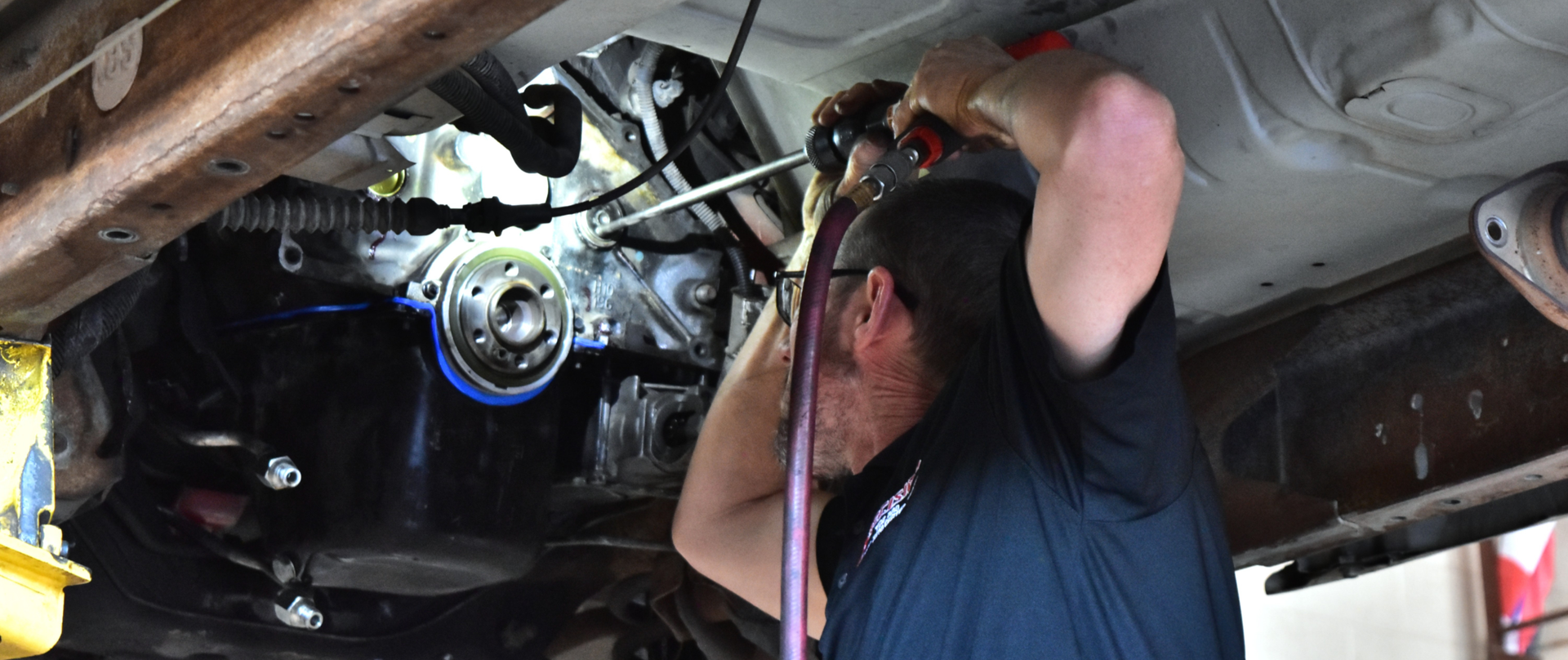
Freeze plugs are often located in tight, hard-to-reach areas of the engine block, which makes diagnosis and replacement more involved than many drivers expect. Access may require removing surrounding components to properly inspect and repair the issue.
If you suspect a cooling system leak, Precision Tire and Auto Center – AZ can help. Our team can perform a pressure test to pinpoint the source of the leak and walk you through the best repair options to get you safely back on the road. Call us today to schedule an appointment.