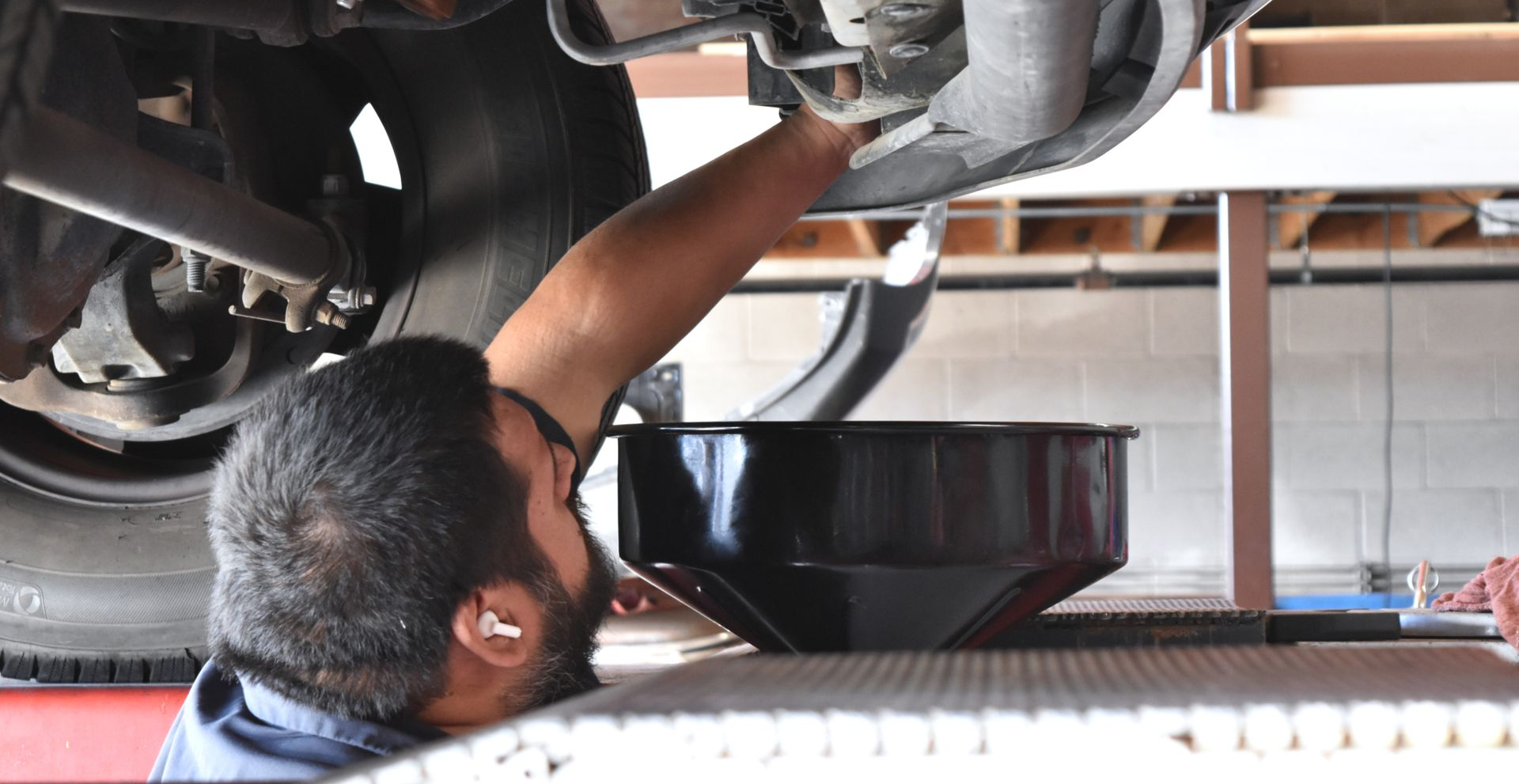
How cooler temps, thicker oil, and delayed maintenance turn small leaks into big repairs.
We’ve all dealt with the dreaded oil leak, and many drivers hope it will magically disappear if they ignore it long enough. But, did you know that winter is one of the worst times to put off a leak? Cooler temperatures thicken your engine oil, which puts extra strain on worn seals and gaskets. That added pressure can make even a small leak spread faster. And because oil leaks never fix themselves, delaying the repair can lead to overheating, internal engine wear, and long-term damage that becomes far more expensive down the road.
Why Oil Leaks Get Worse During Arizona Winters
1. Cold Mornings Thicken Your Engine Oil
The sharp drop in overnight temperatures affects the viscosity of your vehicles oil, making it thicker than what it would be in the summer. While Arizona winters are milder compared to other parts of the country, those chilly mornings are enough to put added strain on aging seals, gaskets, and internal components.
2. Rubber Seals Shrink in Cooler Weather
Gaskets and seals are designed to expand and contract as the engine heats and cools. In winter, they shrink more during the start up process, which allows oil to seep through weak spots. That is why you are more likely to notice spots in your driveway more often during colder months.
3. Holiday Driving = Added Stress
Many of us travel during the holidays. Whether it’s to family functions, weekend road trips, or holiday vacations, those extra miles add up. Extra heat cycles can push borderline seals or gaskets past their limit, making once minor leaks much more noticeable.
4. Winter Leaks Are Easier to Miss
Since oil thickens during the winter, it spreads more slowly, which means many drivers don’t notice the severity of a leak right away. The oil can drip down engine components, blend into dusty undercarriages, or even burn off before you ever see smoke. And the longer those leaks go unnoticed, the more damage they can cause down the line.
Why Winter Is the Worst Time to Put Off an Oil Leak Repair
Ignoring a leak during Arizona’s cooler months can lead to:
- Faster deterioration of seals
- Lower lubrication at cold startup
- Increased wear on internal components
- Higher chance of overheating on longer winter drives
- Risk of engine damage if oil levels drop too low
Fixing the issue early keeps repair costs low and prevents damage that can shorten your engine’s life.
Common Signs of an Oil Leak
Think your vehicle may have a leak? Watch for these signs:
- Oil spots or dark stains under the vehicle
- Burning oil smell while driving
- Blue or gray smoke from the exhaust
- Low oil levels between oil changes
- Oily residue on engine components
- Dashboard oil pressure warning light
Even “minor” symptoms can point to a developing problem, especially in winter.
Stay Ahead of Oil Problems at Precision Tire and Auto Center
A quick inspection can identify where the leak is coming from and prevent a small drip from becoming an expensive repair. Staying on top of oil changes, using the correct oil viscosity, and addressing leaks early are the best ways to protect your engine through winter and beyond.
If you are due for an oil change, or not sure when your last oil change was, we can help you out! Give us a call at 623-582-4545 to schedule your appointment today.