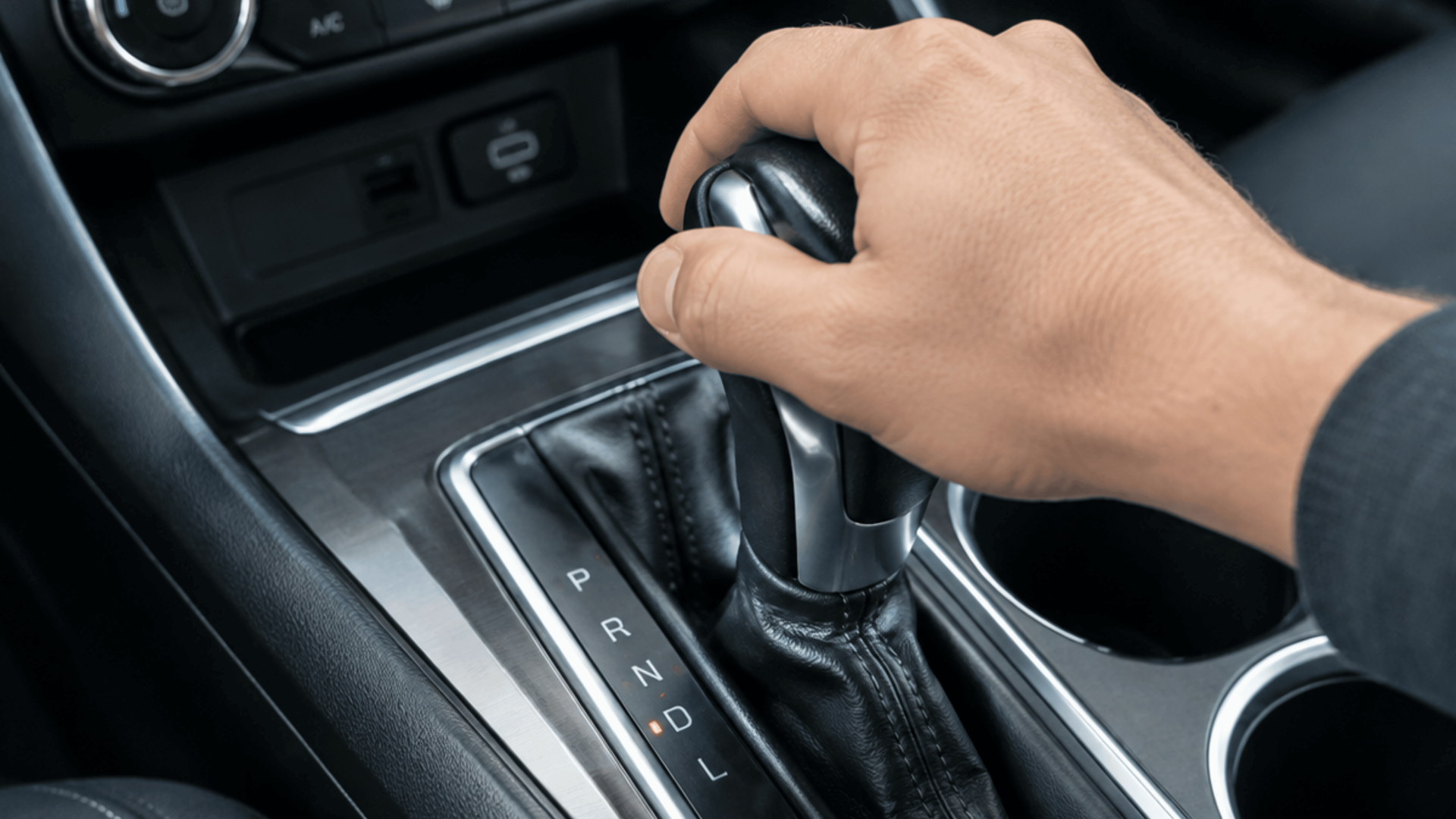
That clunk, jerk, or jolt could be trying to tell you something.
Driving and feel a sudden thunk, jerk, or jolt?
Maybe it can feel like you just ran over something in the road or even bumped into another car, but if that jolt happens as your vehicle changes gears, there could be something going on under the hood. Your automatic transmission is designed to shift smoothly, so a noticeable bump or jerk can be a sign that something isn’t working quite right.
And it’s not always as simple as a bad transmission. Fluid problems, electrical issues, sensors, and other components can all affect the way your vehicle shifts. So, before you assume the worst, let’s take a look at what could be causing that rough shift.
It Could Be the Fluid
When it feels like your vehicle isn’t shifting correctly, it’s easy to assume the transmission is the problem. Transmission repairs or replacement can be pricey, so it may come as a relief to know there could be other fixes.
Transmission fluid helps lubricate internal components and transfer hydraulic pressure throughout the transmission to control gear changes. If the fluid is too low, becomes contaminated, overheated, or has gone past the manufacturer-recommended service interval, your vehicle may start shifting noticeably rougher or experience delayed gear changes.
If fluid is the culprit, it’s important to figure out why the fluid is low or in poor condition rather than simply adding more. A low fluid level could point to a leak or another underlying problem that needs to be addressed before the transmission can shift properly again.
Your Transmission Has a Lot Going On
Your vehicle’s transmission is made up of a combination of mechanical and electrical parts, including solenoids, sensors, valve bodies, and more. These parts work together to determine when and how your vehicle shifts, so when one isn’t working properly, it can lead to hard shifts, delayed engagement, slipping, or other unusual behavior.
The tricky part is these problems all feel very similar behind the wheel which is why professional diagnosis and proper testing is important to uncovering the root of the problem.
Hard Shifts Don't Always Point to the Transmission
Aside from the transmission fluid and transmission itself, there are some other problems that could be causing that sudden jolt as the gears shift.
Engine performance problems, faulty sensors, electrical issues, or worn engine and transmission mounts can sometimes make a gear change feel much harsher than it actually is. Your engine and transmission have to work together as your vehicle changes gears, so if the engine isn’t running properly or a sensor isn’t sending the right information, the shift may not feel as smooth as it should.
Worn engine or transmission mounts can also make a difference. These mounts help hold the engine and transmission in place while absorbing some of the movement and vibration. When they become worn or damaged, you may feel more movement or a noticeable thump when the vehicle shifts, even if the transmission itself is functioning properly.
Don't Ignore the Signs
If your vehicle is shifting hard, pay attention to what else is happening. Is it happening when you’re accelerating? When slowing down? Only when the vehicle is cold? Are you noticing slipping, grinding, delayed engagement, warning lights, or unusual noises?
These details can help a technician narrow down what’s happening with your vehicle and give them a good starting point for the diagnostic process.
At Precision Tire and Auto Center – AZ, our ASE-certified technicians can perform the proper diagnostic testing to determine what’s actually causing the problem and make the necessary repairs to get you back on the road.
Give us a call today to schedule your appointment!