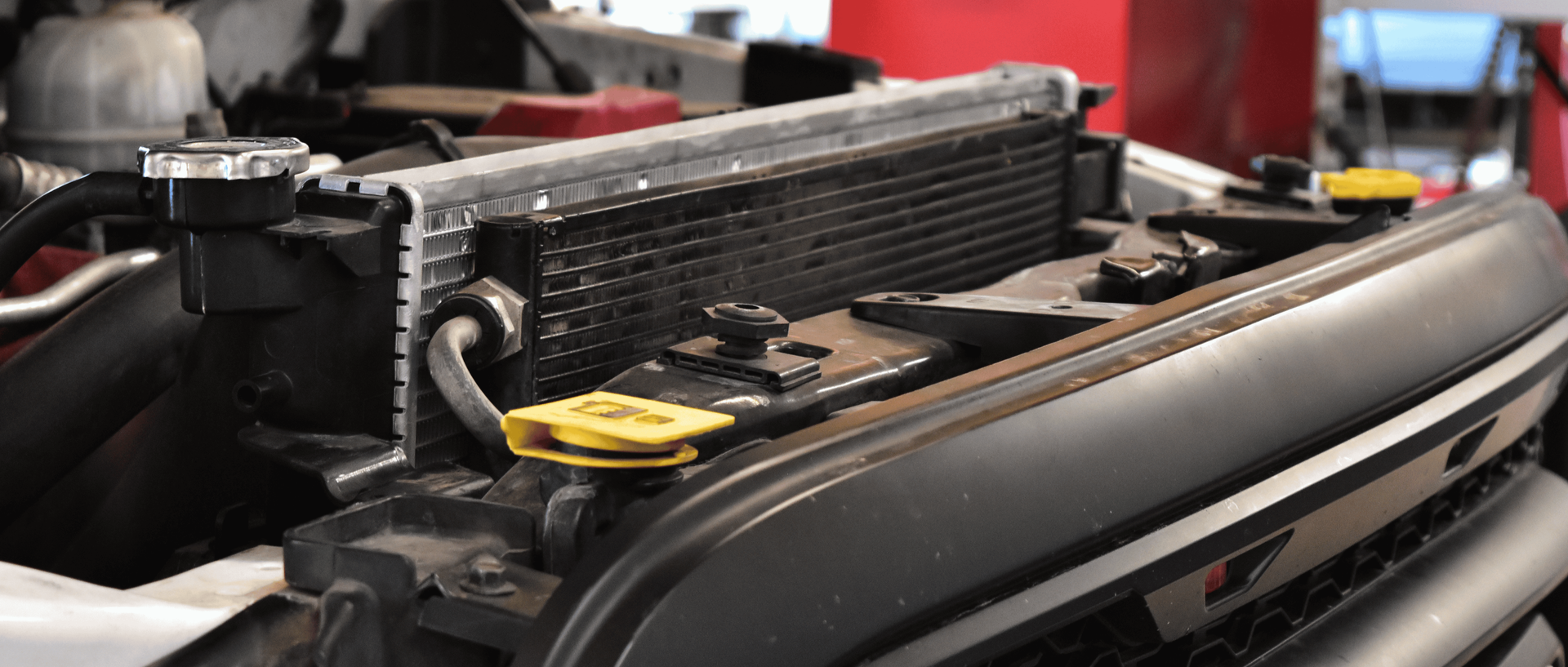
Triple-digit temperatures push your cooling system to its limits. Discover the warning signs of radiator problems before they leave you stranded.
Summertime in the Valley takes a toll on all of us, and if we aren’t operating at 100%, we can’t expect our vehicles to either. When temperatures start climbing past 110 degrees, the environment under your hood turns into an absolute furnace. While manufacturers typically stress-test vehicles in extreme environments ranging from 104 to 140 degrees, the constant, daily exposure to the Arizona heat is a completely different beast.
Consistent 110-degree temperatures, combined with stop-and-go traffic and asphalt temperatures ranging from 140 to 180 degrees, can leave your vehicle’s components working overtime just to keep things running. Out of every system under the hood, your cooling system bears the heaviest burden.
Why Phoenix Summers Are So Tough on Radiators
Each time you drive, your engine generates a substantial amount of heat. Combined with extreme outside temperatures, that heat builds quickly. To remove the excess heat, the radiator circulates coolant throughout the system to help keep the engine from overheating.
When outside temperatures consistently exceed 100 degrees, extra strain is placed on the radiator to maintain proper engine temperatures. In addition to long commutes, traffic congestion, and frequent idling, your cooling system can quickly become overwhelmed if any component isn’t performing properly.
Signs Your Radiator May Be Failing
Radiator issues rarely happen without warning. Keeping an eye out for these common symptoms can save you from a major breakdown:
- The Temperature Gauge Spikes: If your dashboard needle is creeping past the halfway mark, or if your digital warning light flashes while you are sitting at a red light, your system is struggling to reject heat.
- Puddles of Coolant: Finding a bright green, pink, or orange puddle under your front bumper is a clear sign you need a radiator leak repair.
- Sweet Smells: Engine coolant has a distinct, sweet aroma. If you smell something sweet like maple syrup after turning off your car, fluid is likely leaking and evaporating on a hot engine component.
- Discolored Fluid: Healthy coolant is bright and translucent. If you check your reservoir and see sludge, brownish mud, or floating debris, your radiator is degrading internally.
Common Causes of Radiator Problems in Phoenix
In our climate, radiators typically fail due to a combination of intense pressure and material degradation:
- Cracked Plastic Tanks: Most modern radiators utilize aluminum cores attached to plastic side tanks. The constant cycling between extreme engine heat and high pressure causes the plastic to become brittle over time, eventually resulting in a hairline split.
- Internal Corrosion: If a cooling system goes too long without being flushed, the protective additives inside the coolant wear out. This allows rust and mineral deposits to build up inside the tiny passages of the radiator, blocking the essential flow of fluid.
- Failed Radiator Caps: A radiator cap isn’t just a lid; it’s a calibrated pressure valve. If the spring inside the cap fails under the summer heat, the system can’t maintain the correct pressure, causing the coolant to boil at a much lower temperature.
When to Have Your Cooling System Inspected in Phoenix
Ignoring small leaks or higher temperature readings can lead to major repairs. Once a radiator fails completely, it can trigger a chain reaction that puts your entire engine at risk.
Operating without a properly functioning cooling system can lead to much larger, more expensive issues such as a blown head gasket, warped cylinder heads, or even a cracked engine block.
If you are noticing any signs of a failing radiator, it’s time to have it inspected. At Precision Tire and Auto Center – AZ, our team of ASE-certified technicians is equipped with the expertise, knowledge, and tools to accurately diagnose and repair your cooling system concerns. Give us a call today to schedule your appointment!